
Quick Answer
Bearded dragons dig in the corner of their tank most commonly because they are preparing to lay eggs, entering brumation (a reptile form of hibernation), or responding to an enclosure that feels too hot, too small, or stressful. In most cases, digging is a normal behaviour — not a sign of illness.
Why Does My Bearded Dragon Keep Digging in the Corner of the Tank?
If you’ve noticed your bearded dragon scratching frantically at the glass or pushing substrate around in a corner, you’re not alone — it’s one of the most common questions new keepers ask. The good news is that digging is a deeply natural instinct for bearded dragons in the wild, where they burrow to escape heat, lay eggs, and sleep through cooler months.
That said, the reason behind the digging matters, because a few causes do need your attention. Here’s how to tell them apart.
The 5 Most Common Reasons Bearded Dragons Dig in Corners
1. Egg-Laying (Gravid Females)
The most urgent reason a female bearded dragon digs is that she is gravid — carrying eggs — and is searching for a suitable place to deposit them. This is true even if she has never been near a male. Female bearded dragons can develop and lay infertile eggs without mating, a process sometimes called a “slugs” clutch.
A gravid female will dig persistently, appear restless, and may refuse food for several days before laying. Her belly may look visibly swollen, and she may scratch at every corner of the enclosure trying to find soft, deep substrate to dig into.
What to do: Provide a lay box immediately — a plastic container at least 30 cm deep filled with moist topsoil or a 50/50 mix of topsoil and play sand. Place it inside the enclosure or in a separate container she can access. A female that cannot find a suitable laying site risks becoming egg-bound, which is a life-threatening condition requiring urgent veterinary care.
The RSPCA notes that female bearded dragons should always have access to a suitable egg-laying site during the breeding season to prevent serious health complications (kb.rspca.org.au).
2. Brumation (Seasonal Dormancy)
Brumation is the reptile equivalent of hibernation. As daylight hours shorten in autumn and winter, many bearded dragons instinctively slow down, sleep more, eat less, and may dig to find a cool, dark place to rest. Wild bearded dragons in Australia burrow underground during cooler months to conserve energy.
A dragon entering brumation will typically show reduced appetite, increased lethargy, and a preference for cooler, darker areas of the enclosure — often a corner near the cool end. Digging is their attempt to create a burrow-like space.
Brumation is normal and not a cause for concern in a healthy dragon. However, it can be difficult to distinguish from illness, so always rule out health problems first. A dragon that is lethargic and losing weight rapidly, or showing other symptoms like laboured breathing, should be seen by a vet.
What to do: Slightly reduce the light cycle (down to 10–11 hours of daylight per day) and allow the dragon to rest. Continue offering food every few days even if it is refused. Ensure fresh water is always available.
3. Enclosure Temperatures Are Too High
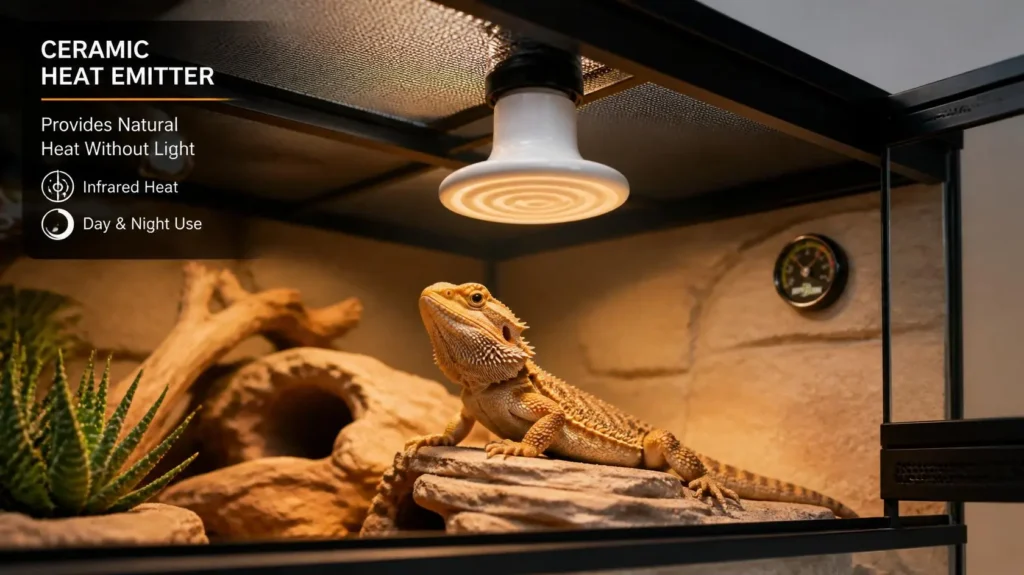
Bearded dragons are expert thermoregulators — they move between warm and cool zones to manage their body temperature. If the cool end of the enclosure is still too warm, the dragon has nowhere to escape the heat and will dig in a corner trying to get underground, where temperatures in the wild would be cooler.

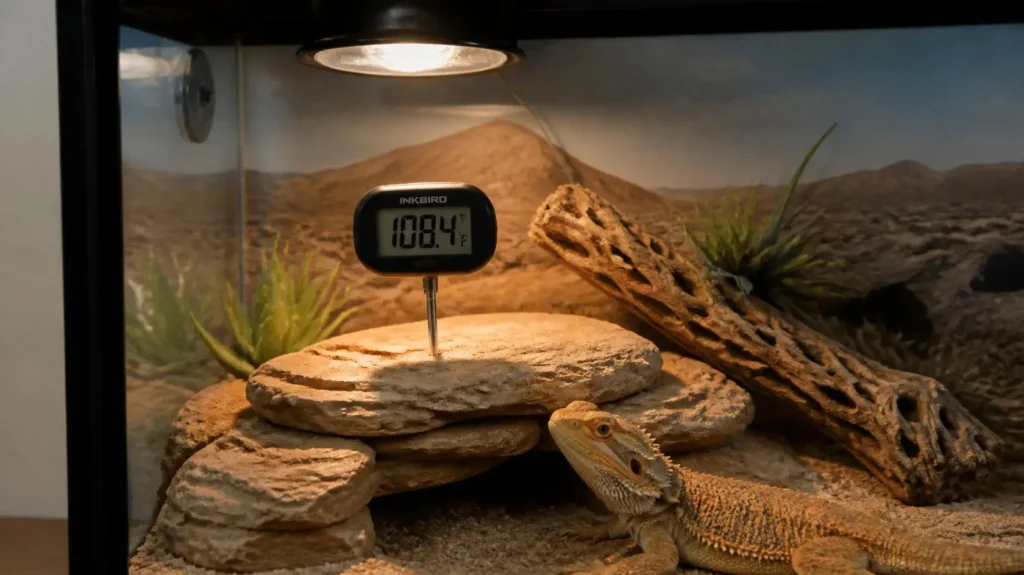
According to RSPCA guidelines, bearded dragon enclosures should have a basking spot of 38–42°C (100–108°F) and a cool end of 22–26°C (72–79°F). If both ends of the tank are above 30°C, the dragon is overheating.
What to do: Check temperatures at both ends of the enclosure using a digital thermometer with a probe, not a stick-on dial gauge (which is notoriously inaccurate on glass surfaces). Adjust the basking lamp height or wattage to bring the cool end within the correct range.
4. Stress or Enclosure Feels Too Small
A bearded dragon that feels cramped, bored, or unable to escape perceived threats — including its own reflection in the glass — may pace and dig at corners as a displacement behaviour. This is more common in younger dragons placed in adult-sized enclosures where they feel exposed, and in dragons who can see their own reflection and interpret it as a rival.
Adult bearded dragons require a minimum enclosure size of 120 cm × 60 cm × 60 cm (4 ft × 2 ft × 2 ft). Juveniles under 30 cm can be housed in smaller enclosures temporarily but need adequate hides at both the warm and cool ends.
What to do: Ensure there are at least two hides — one at the warm end, one at the cool end — so the dragon always has a place to feel secure. Cover the lower 15 cm of the outside glass on three sides to reduce reflection and visual stimulation from outside the tank.
5. Natural Exploratory or Enrichment Behaviour
Some bearded dragons simply dig because they enjoy it. It provides physical stimulation and satisfies an instinct that exists regardless of whether they actually need to burrow. This type of digging is typically relaxed and intermittent — not frantic or sustained over hours.
If the dragon is otherwise eating well, basking normally, and showing no signs of stress or illness, occasional corner digging is almost certainly harmless.
What to do: Consider adding a shallow tray of loose substrate (such as play sand or organic topsoil) to one section of the enclosure as a designated digging area. This allows the behaviour without disrupting the rest of the setup.
How to Diagnose Why Your Dragon Is Digging: A Quick Checklist
- Check the sex of your dragon. If female, gravid digging is the first thing to rule out — even without a male present.
- Check temperatures at both ends of the enclosure with a reliable probe thermometer.
- Check the season. Is it autumn or winter? Brumation is more likely between May and August (in Australia) or October and February (in the UK/US).
- Check for other symptoms. Is the dragon eating? Moving normally? Any swelling in the abdomen? If yes to unusual symptoms, consult a vet.
- Check enclosure size and enrichment. Are there hides? Is the dragon able to see its own reflection?
Digging vs. Glass Surfing: What’s the Difference?
| Behaviour | What It Looks Like | Most Likely Cause |
| Corner digging | Scratching or burrowing at substrate in one spot | Egg-laying, brumation, heat escape |
| Glass surfing | Running along the glass repeatedly, not digging | Stress, reflection, hunger, small enclosure |
| Frantic all-over digging | Digging everywhere, visibly agitated | Overheating or egg-binding urgency |
| Calm occasional digging | Intermittent, relaxed burrowing | Normal enrichment behaviour |
If your dragon is doing both — digging and glass surfing — stress or an enclosure problem is the most likely explanation, and the enclosure setup should be reviewed before assuming the behaviour is benign.
When to Call a Vet
Contact a reptile vet if:
- Your female dragon has been digging persistently for more than 2–3 days without laying eggs
- The abdomen looks swollen or the dragon appears in discomfort
- The dragon has stopped eating and is losing visible body weight
- Digging is accompanied by laboured breathing, discharge, or unusual posture
Egg-binding (dystocia) is a medical emergency. A dragon that cannot pass her eggs within a reasonable timeframe will need veterinary intervention, which may include hormone injections or surgery.
FAQ — Bearded Dragon Digging Behaviour
Q: Is it normal for a bearded dragon to dig in the corner of the tank?
Yes, corner digging is a normal and common behaviour in bearded dragons. It typically signals egg-laying preparation, brumation, heat-avoidance, or simple enrichment behaviour. Only sustained frantic digging accompanied by other symptoms warrants immediate concern.
Q: My female bearded dragon is digging but hasn’t laid eggs — what should I do?
Provide a lay box immediately: a container at least 30 cm deep filled with moist topsoil or a 50/50 topsoil and play sand mix. If she continues digging without laying after 2–3 days despite having a lay box available, consult a reptile vet to rule out egg-binding.
Q: How do I know if my bearded dragon is brumating or sick?
A brumating dragon will typically have a normal body weight, respond to handling even if sluggishly, and show no laboured breathing or physical abnormalities. A sick dragon may lose weight rapidly, show visible symptoms, or fail to respond at all. When in doubt, a vet check is always the right call.
Q: My male bearded dragon is digging — can males brumate and dig too?
Yes. Both male and female bearded dragons dig during brumation. In males, digging is almost always related to brumation, heat avoidance, stress, or enrichment — egg-laying is the only cause exclusive to females.
Q: Should I use loose substrate so my bearded dragon can dig?
Loose substrate can allow natural digging behaviour but comes with an impaction risk if ingested, particularly in juveniles. Many experienced keepers use tile or non-particle substrate as the primary flooring and provide a separate contained area of loose substrate for digging enrichment. See our Complete Bearded Dragon Setup & Troubleshooting Hub for a full comparison of substrate options.

Haseeb Wattoo is the founder and author of Beardie Dragon Pro. He is passionate about bearded dragon care and shares practical, research-based guides on nutrition, habitat setup, health, behavior, and husbandry. His mission is to help reptile owners provide the best care for their pets through accurate, easy-to-understand, and trustworthy information. Haseeb aims to educate both beginners and experienced keepers, promoting responsible pet ownership and healthier, happier bearded dragons.